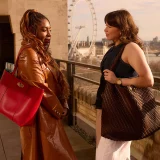


Understanding the Power of Accessories
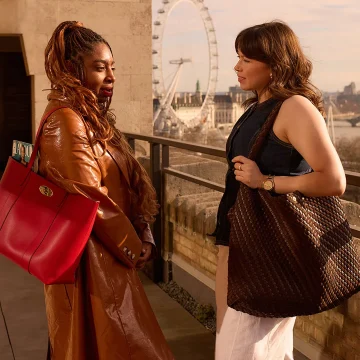
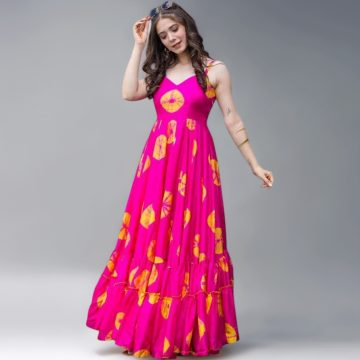
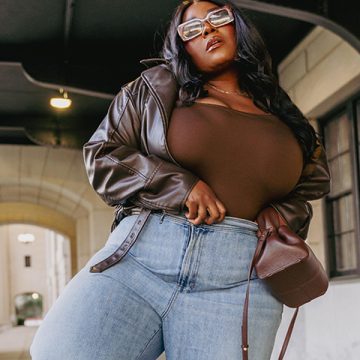
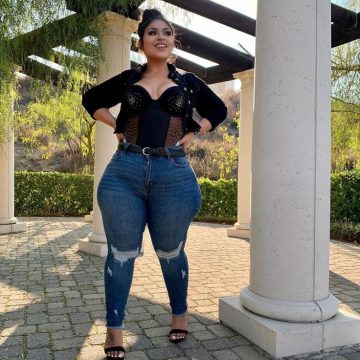
Accessories play a crucial role in how people express themselves. They influence how an outfit feels, how balanced a look appears, and how practical everyday routines become. Whether someone is selecting a watch, a pair of sunglasses, a leather belt, or functional tech add ons, the world of Accessories shapes identity in ways clothing alone cannot. When chosen with intention, accessories allow a person to transform simple outfits into distinctive personal statements.
Many individuals appreciate accessories because they offer endless versatility. A single outfit can appear casual, refined, modern, vintage inspired, bold, or understated depending on how it is styled. Within the first few choices anyone makes during the day, such as which bag they carry or which jewelry piece they put on, they are already creating a deeper aesthetic rhythm that reflects their personality. High quality Accessories also contribute to long term wardrobe value by providing reliable, durable elements that pair with various styles.
How Accessories Influence Personal Identity
Accessories often serve as small but impactful extensions of personality. They help define how others perceive someone and how that person feels about their own presence. Even subtle decisions, like choosing a minimalist bracelet or a structured handbag, can communicate confidence, creativity, sophistication, or a preference for simplicity.
The Subtle Psychology of Accessory Choices
Every item added to an outfit carries emotional influence. People might choose accessories for reasons such as:
- Comfort and function
- A desire to elevate their style
- A need to project professionalism
- Sentimental significance
- Cultural identity
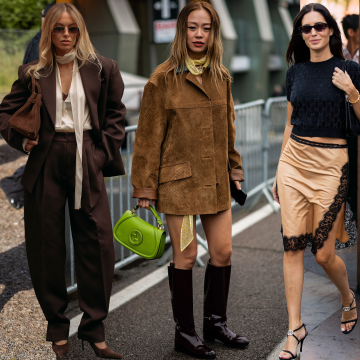
Accessories also encourage experimentation. They allow individuals to try new aesthetics without committing to an entirely new wardrobe. Someone who typically prefers neutral tones may incorporate bright scarves or bold eyewear to test new color palettes. Each choice creates a continuous and evolving personal narrative.
Categories of Accessories That Shape Modern Style
Understanding various accessory categories helps refine style decisions. Each type of accessory plays a specific role, both visually and functionally.
Jewelry That Enhances Expression
Jewelry remains one of the most powerful accessory forms because it adds detail near focal points like the face and hands. It creates visual rhythm and invites attention.
Common categories of jewelry include:
- Necklaces ranging from delicate chains to sculptural designs
- Earrings in stud, hoop, drop, or statement styles
- Bracelets and cuffs shaped from metal, leather, or woven textiles
- Rings for everyday wear or special occasions
Fine metals such as gold and silver convey elegance, while stones add color and symbolism. Meanwhile, modern materials like resin or ceramic encourage creative styling. People often mix metals and textures to create layered, expressive looks.
Watches as Practical Style Statements
Beyond timekeeping, a watch signals values and priorities. Some choose classic analog designs for their timeless appeal, while others prefer digital or smart models for function and versatility.
Key considerations include:
- Case shape and size
- Strap material, such as metal, leather, silicone, or fabric
- Movement type
- Durability and water resistance
Watches serve as anchors for an outfit, balancing visual weight and enhancing sophistication.
Bags That Combine Utility and Style
Bags are essential for daily function, but they also influence silhouette and color harmony.
Common forms include:
- Structured handbags for polished looks
- Crossbody bags for hands free convenience
- Backpacks for practicality
- Tote bags for work or shopping
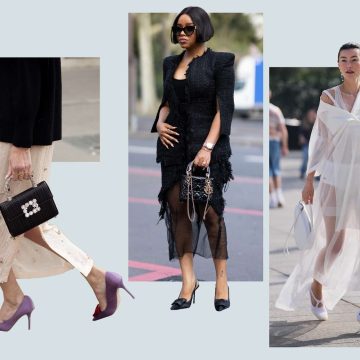
- Small evening bags for formal settings
Material quality matters. Leather, canvas, nylon blends, and recycled fibers each offer durability with distinct visual character.
Belts That Define Shape and Structure
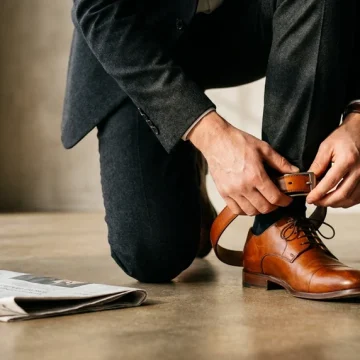
Belts create proportion and structure, helping define the waist or complete the line of an outfit. A well chosen belt can transform dresses, trousers, or oversized layers.
Types include:
- Leather belts for timeless style
- Braided belts for texture
- Fabric belts for casual or sporty aesthetics
- Statement buckles for bold styling
Choosing the right width helps balance body proportions and outfit weight.
Eyewear That Blends Function and Personality
Glasses and sunglasses protect vision, yet they also frame the face and influence first impressions. Shape and color determine how eyewear complements facial features.
Common considerations:
- Frame shape: round, square, cat eye, aviator
- Frame material: acetate, metal, or hybrid blends
- UV protection for sunglasses
- Lens coatings for prescription glasses
Well chosen eyewear adds dimension and confidence to personal style.
Scarves and Hats for Seasonal and Style Versatility
Scarves and hats provide warmth, protection, and personality. They are essential during seasonal transitions and also add shape and movement to outfits.
Popular choices include:
- Wool scarves for winter
- Lightweight linen or silk scarves for warmer months
- Beanies for casual comfort
- Fedora and wide brim hats for structured elegance
- Baseball caps for relaxed, sporty looks
These items also enhance color distribution within an outfit, creating balance and visual interest.
Choosing Accessories Based on Lifestyle
The best accessories are not just visually appealing but also aligned with daily needs. Selecting items that match real routines leads to better long term use and satisfaction.
For Professionals
Individuals working in office environments or professional industries often focus on refined, subtle pieces such as:
- Structured leather bags
- Minimalist watches
- Simple jewelry in gold or silver
- Neutral belts that pair with multiple outfits
These items promote a polished appearance while supporting everyday functionality.
For Active Lifestyles
Those who move often, travel, or engage in frequent physical activity benefit from durable, lightweight accessories.
Preferred items may include:
- Silicone or travel friendly watches
- Water resistant bags
- Compact crossbody bags
- Sunglasses with strong UV protection
- Sport inspired hats
Functionality does not diminish style; instead it encourages a balanced approach to everyday dressing.
For Creative or Artistic Individuals
Creative individuals often experiment with texture, shape, and color. Their accessory choices may reflect craftsmanship and individuality.
Ideas include:
- Sculptural or handmade jewelry
- Colorful scarves
- Unique eyewear shapes
- Textured belts
- Statement bags in artistic silhouettes
These choices encourage visual storytelling and self expression.
Quality Considerations When Selecting Accessories
High quality accessories last longer, maintain appearance, and enhance outfit consistency. Quality evaluation involves more than price; it requires attention to materials, construction, and durability.
Key Features of Quality
- Strong stitching on bags and belts
- Solid metal hardware
- Genuine leather or durable synthetic alternatives
- Scratch resistant watch glass
- Secure jewelry clasps
- Balanced weight and comfortable fit
Investing in well made pieces reduces the need for frequent replacement and builds a lasting wardrobe foundation.
Pairing Accessories With Outfits
Styling accessories is both practical and creative. Effective coordination requires understanding color, proportion, texture, and the overall mood of an outfit.
Color Coordination Techniques
Color balance helps create harmony. People often use strategies such as:
- Pairing metal tones with outfit shades
- Matching bag or belt color to shoes
- Using scarves or jewelry to introduce accent colors
- Keeping one statement piece as the central focal point
Color consistency supports polished, intentional styling.
Proportion and Balance
Accessories interact with outfit shapes. Proportion matters in areas such as:
- Matching bag size to body frame
- Selecting jewelry scale based on neckline style
- Using belt width to enhance or soften outfit structure
Balanced proportions prevent visual heaviness or fragmentation.
Layering for Depth and Interest
Layering accessories creates depth. Techniques include:
- Stacking bracelets
- Layering necklaces of varied lengths
- Combining rings with mixed textures
- Adding scarves to anchor color themes
This approach provides dynamic, individualized results.
Seasonal Accessory Planning
Seasons influence accessory materials, functionality, and visual tone.
Spring and Summer
Warm weather pieces often include:
- Lightweight scarves
- Sunglasses
- Straw or fabric hats
- Breathable bags
- Minimalist jewelry
Lighter tones and airy textures work best during these months.
Fall and Winter
Colder seasons require warmth and durability.
Typical pieces:
- Wool or cashmere scarves
- Structured leather bags
- Sturdy belts
- Darker metal or stone jewelry
- Felt or knit hats
Textures become richer, and accessories contribute to layered, cozy looks.
Building a Personal Accessory Collection
A strong accessory collection grows gradually and thoughtfully.
Steps to Build an Effective Collection
- Begin with essentials that match everyday outfits
- Add a few statement pieces for variety
- Incorporate seasonal items for practicality
- Choose colors that complement existing wardrobe palettes
- Select items that mirror personality and lifestyle needs
Over time, this creates a versatile, functional, and expressive selection.
Frequently Asked Questions
How many accessories should someone wear at once?
There is no strict rule. Most people prioritize balance. When wearing a statement piece, they often keep other items subtle to avoid visual clutter. Others enjoy bold layering. The goal is harmony and personal comfort.
Are expensive accessories always better?
Not always. Price does not guarantee quality. Well made items exist across various price points. Evaluating materials, stitching, hardware, and comfort provides a better indication of value than cost alone.
How can someone choose accessories that fit their face shape?
Eyewear and earrings influence face framing more than most items. Round shapes soften angular faces, while angular frames complement round face shapes. Testing multiple styles helps determine which shapes enhance natural features.
What is the easiest accessory category for beginners?
Many people start with watches or necklaces because they are simple to pair with most outfits. These items create a refined appearance without needing complex styling techniques.
Do accessories need to match every outfit?
They do not need to match perfectly. Coordinating several elements, such as color, metal tone, or texture, creates a cohesive look. Over time, individuals learn which items complement each other naturally.
If you would like a second version, a narrower focus such as jewelry only, or an SEO optimized version for a specific audience, I can create that as well.