



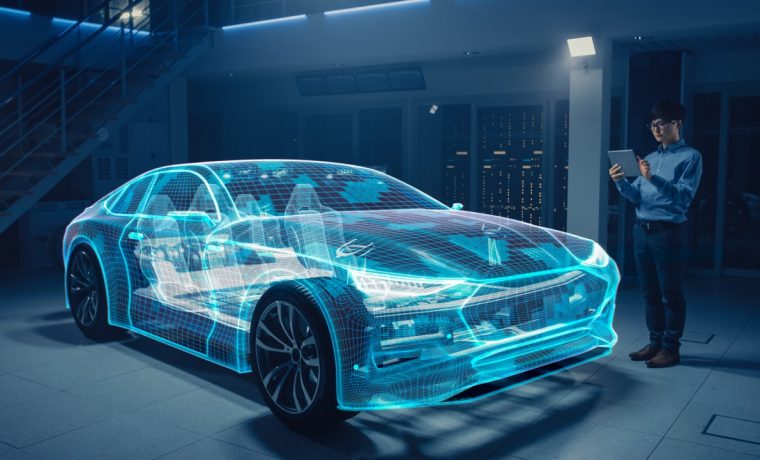
Understanding the modern landscape of automotive technology
The Automotive industry has entered one of the most transformational periods in its history. Advancements in propulsion systems, digital connectivity, materials science, safety engineering, and manufacturing processes have reshaped how vehicles are designed, built, and used. These rapid developments affect everything from consumer expectations to energy infrastructure, city planning, and industrial supply chains. Within the first layers of design and engineering, the Automotive sector now focuses equally on performance, sustainability, efficiency, and intelligent decision making inside the vehicle itself.
Modern vehicles are no longer defined solely by horsepower, torque, or fuel type. They are complex ecosystems driven by software, sensors, microprocessors, and advanced materials that allow cars to make split second decisions. This shift elevates the role of engineering disciplines that were once peripheral to vehicle manufacturing, including machine learning, high voltage systems design, battery chemistry, cybersecurity, and integrated thermal management.
How vehicle propulsion is evolving
Propulsion systems represent the heart of automotive transformation. Manufacturers are exploring multiple parallel paths rather than relying on one universal solution.
Internal combustion engines with advanced efficiency
Although electrification is accelerating, internal combustion engines remain widely used. Many modern engines apply:
- High pressure direct injection systems
- Variable valve timing for optimized air intake
- Turbocharging and supercharging to increase output while reducing displacement
- Cylinder deactivation for light load efficiency
These innovations extend the usefulness of combustion platforms, particularly for long range, heavy duty, and remote area applications where charging infrastructure is limited.
Battery electric propulsion
Battery electric vehicles use traction motors driven by high voltage lithium ion battery packs. The effectiveness of these vehicles depends on:
- Energy density per kilogram
- Battery management software that protects cells from overcharge and overheating
- Thermal regulation using liquid cooling loops or refrigerant based systems
- Regenerative braking systems that convert kinetic energy into stored charge
Electric propulsion reduces mechanical complexity and provides instant torque, making performance strong across nearly all driving scenarios.
Hybrid and plug in hybrid systems
Hybrids combine combustion engines with electric motors to improve fuel economy and reduce emissions. Engineers must carefully harmonize:
- Engine to motor power split
- Intelligent energy recovery programming
- Multi modal drivetrains that switch between parallel and series configurations
- Battery charging cycles during both acceleration and braking
This approach offers transitional value in regions where full electrification remains early.
Alternative fuels and emerging concepts
Other solutions under research include:
- Hydrogen fuel cells using compressed hydrogen to generate electricity through a proton exchange membrane
- Renewable diesel and synthetic fuels with reduced lifecycle carbon emissions
- Compressed natural gas systems for fleet vehicles
- Solid state battery systems under development for safer and more energy dense storage
These pathways address regional energy variations and future scalability for heavy duty applications.
Materials and structural engineering in the modern vehicle
Advanced materials shape everything from weight distribution to crash safety and aerodynamic performance.
Lightweight metals and composites
Weight reduction directly improves efficiency. Engineers increasingly use:
- High strength aluminum alloys for body panels and suspension components
- Ultra high strength steel for crash critical areas
- Carbon fiber reinforced polymers for performance cars
- Magnesium blends for structural supports
These materials reduce mass while preserving strength, allowing smaller engines or motors without performance loss.
Aerodynamics as a functional design pillar
Aerodynamics help manage energy use at highway speeds. Techniques include:
- Active grille shutters that close at higher speeds to reduce drag
- Smooth underbody panels that reduce turbulence
- Rear diffusers that channel airflow for stability
- Optimized body curvature to guide laminar flow
Improving drag coefficient by even a small amount provides measurable gains in range and fuel efficiency.
Structural safety engineering
Modern safety systems combine passive engineering with active technology. Key structural elements include:
- Crumple zones tuned to absorb force in a controlled sequence
- Side impact beams integrated into the door architecture
- Multi load path structures that distribute crash forces across reinforced pillars
- Bonded adhesives and laser welding for predictable deformation during impacts
These solutions work alongside digital systems to protect occupants.
Intelligent vehicle electronics and software systems
Software has become central to automotive innovation. Vehicles now function as mobile computing platforms with dozens of interconnected modules.
Advanced driver assistance systems
ADAS packages use sensors and algorithms to support the driver. Key components include:
- Forward facing radar for adaptive cruise control
- Ultrasonic sensors for parking and low speed detection
- Stereo or monocular cameras for lane recognition
- Lidar on certain vehicles for enhanced 3D mapping
These systems require high processing power and robust fail safe mechanisms to operate safely.
In vehicle connectivity and infotainment
Connectivity influences the overall driving experience. Features include:
- Integrated navigation with real time traffic modeling
- Wireless updates for performance, safety, and entertainment systems
- Bluetooth and Wi Fi capability
- Cloud based driver profiles that carry customized settings between vehicles
This digital layer supports personalization and long term software enhancement.
Power electronics and high voltage control
Electric vehicles rely on specialized electronics such as:
- Inverters that convert DC battery power into AC motor power
- DC to DC converters that supply the low voltage system
- Onboard chargers that regulate input during external charging
- Thermal management modules that keep voltage systems within safe ranges
Without these components, even a well designed battery or motor cannot function effectively.
The role of manufacturing innovation
Manufacturing techniques have changed dramatically to support precision, efficiency, and scalability.
Robotics and automated production
Robotics handle tasks requiring consistency and high strength operations such as:
- Spot welding
- Laser cutting
- Paint application
- Part placement and torque controlled fastening
Automation reduces error rates and supports the precision required for electric powertrains.
Additive manufacturing
3D printing is increasingly common for:
- Rapid prototyping of parts
- Complex geometries that cannot be stamped or molded
- Lightweight structural components with internal lattice patterns
This technology accelerates product development cycles.
Quality control and predictive analytics
Manufacturers now use predictive tools to prevent faults before they appear. Techniques include:
- Machine vision systems inspecting welds and seams
- Predictive maintenance on assembly equipment
- Statistical modeling to identify deviations in material tolerances
This ensures consistent vehicle performance post assembly.
Energy infrastructure and vehicle ecosystem evolution
Vehicles do not exist independently. They interact with power grids, roads, and digital systems.
Charging networks and grid integration
Electric vehicle adoption relies on:
- Fast charging stations with high voltage direct current
- Smart charging that shifts load during off peak hours
- Vehicle to grid technology enabling cars to supply energy back to homes and utility systems
- Home charging units with integrated safety disconnects
These networks reduce range anxiety and extend the utility of electric power systems.
Transportation planning and city infrastructure
Cities are redesigning transportation flows. Updates include:
- High occupancy lanes for efficient commuting
- Dedicated parking for electric and hybrid vehicles
- Smart traffic signals using sensor and camera networks
- Roadside communication units that exchange data with connected vehicles
Infrastructure will continue evolving as more connected cars join roadways.
The service, repair, and aftermarket environment
As vehicles become more complex, service requires specialized tools and knowledge.
Diagnostics and electronic service tools
Technicians rely on:
- Graphical scan tools that read high level system codes
- Oscilloscopes for advanced signal tracing
- Specialized testers for high voltage battery systems
- Calibration tools for radar, lidar, and camera alignment
Accurate diagnostics ensures long term safety and performance.
Repair considerations for electric vehicles
EV repairs differ significantly from combustion vehicles. Areas of focus include:
- High voltage safety protocols
- Cooling system service for battery packs
- Regenerative braking calibration
- Inverter and motor replacement processes
These require training and insulated tools to meet safety standards.
Aftermarket performance parts
The aftermarket remains strong, especially for:
- Suspension upgrades
- Brake performance kits
- Intake and exhaust tuning for combustion vehicles
- Software tuning for throttle response and torque curves
- Custom wheels and aerodynamic enhancements
These upgrades allow personalization while maintaining professional engineering standards.
Environmental and regulatory considerations
Environmental rules influence vehicle design and fuel standards.
Emissions and compliance
Regulations often address:
- Greenhouse gas output limits
- Evaporative emissions from fuel systems
- Battery disposal and recycling rules
- Noise control for both combustion and electric vehicles
Compliance requires continuous engineering updates and lifecycle planning.
Recycling and end of life management
Sustainable solutions now include:
- Dismantling programs for recovering steel, aluminum, plastics, and electronic components
- Battery cell recycling to reclaim lithium, nickel, and cobalt
- Remanufacturing engines and transmissions for extended use cycles
These systems reduce waste and environmental impact over a vehicle’s lifespan.
Frequently Asked Questions
What factors determine the real world range of an electric vehicle?
Range is influenced by driving habits, terrain, outside temperature, battery age, tire pressure, accessory usage, and speed. Cold temperatures reduce battery efficiency, while aggressive acceleration consumes more energy.
How do software updates improve a vehicle over time?
Manufacturers can enhance acceleration curves, stability control tuning, charging speed, infotainment capability, and safety features. Updates can also correct software bugs that were not evident during initial production.
Why do some vehicles require specialized calibration after windshield replacement?
Windshields often contain camera mounts for lane keeping and collision avoidance systems. Replacing the glass can alter the camera’s viewing angle, making recalibration necessary for accurate lane and obstacle detection.
How often should hybrid batteries be serviced?
Hybrid systems generally require periodic inspections of cooling ducts, high voltage cables, and battery ventilation. While the battery itself does not need frequent servicing, its supporting systems must be checked to maintain performance.
Are turbocharged engines more expensive to maintain?
They can require more attention because turbochargers operate at high heat and high RPM. Maintenance may include more frequent oil changes, attention to cooling systems, and inspection of boost related components.
What is the advantage of regenerative braking in daily driving?
Regenerative braking slows the vehicle while converting motion into stored electrical energy. This reduces wear on brake pads and improves overall efficiency, especially during stop and go driving.
How do lightweight materials affect crash safety?
Lightweight materials do not reduce safety when engineered correctly. High strength aluminum and advanced steel blends can absorb and redirect energy with precision. These systems rely on digital modeling to predict crash behavior accurately.
Why is tire selection critical for modern vehicles?
Tires influence braking distance, handling stability, noise levels, ride comfort, and efficiency. Electric vehicles also require tires designed for higher torque loads and lower rolling resistance.
How does vehicle to grid technology work?
A compatible electric vehicle can feed energy back into a home or power grid during peak demand. The vehicle acts as a temporary energy storage source, controlled through bi directional charging hardware and software.
If you want an extended version focused on a specific segment such as electric vehicles, off road engineering, logistics fleets, or performance engineering, I can create that as well.