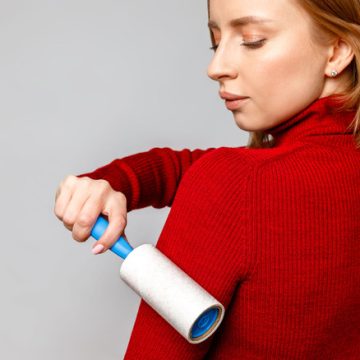



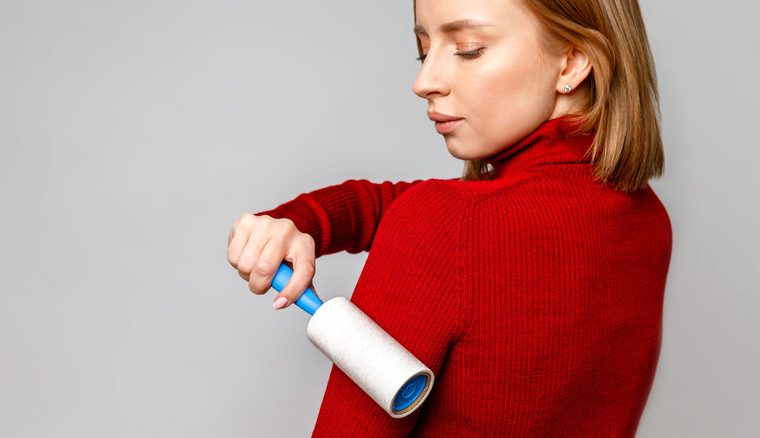
Few wardrobe disappointments sting quite like pulling on a cherished knit only to discover a constellation of tiny, fuzzy knots clustered under the arms and along the flanks. Whether it is a thrifted wool crewneck or an investment-grade cashmere roll-neck, sweater pilling feels like premature aging for clothing.
Pilling is not necessarily a sign of cheap manufacturing, nor does it mean your garment is destined for the donation bin. It is a natural mechanical reaction that occurs when individual fibers loosen, tangle, and knot together through everyday friction. Fortunately, once you understand why fibers behave this way, you can dramatically reduce the friction that triggers it, treat pills safely when they emerge, and keep your knitwear looking pristine for decades.
The Textile Mechanics Behind Pilling
To protect your sweaters, you first have to understand what pilling actually is on a structural level. Fabric is composed of spun yarns, and yarns are made from thousands of individual staple fibers. When you wear a sweater, continuous abrasion snaps the tiny, microscopic ends of those fibers, causing them to push through the surface of the knit. As those loose ends rub against each other, they tangle and form small spherical clusters known as pills.
Several distinct variables determine how quickly and severely a sweater will pill:
-
Fiber length: High-end knitwear typically uses long-staple fibers, which have fewer exposed ends per inch of yarn. Budget knits often rely on short-staple fibers or recycled remnants, which break free far more easily.
-
Yarn twist and knit density: Loosely spun yarns create that cloud-soft, airy hand-feel that shoppers love in fitting rooms, but they lack tensile tension. Tight, high-gauge knits with dense twists hold fiber ends locked in place, resisting surface disturbance.
-
Fiber composition: Pure natural fibers like wool and cashmere pill initially, but because the fibers are relatively delicate, the bobbles eventually weaken and break off on their own. Synthetic fibers like polyester, acrylic, and nylon, however, are exceptionally strong. When blended with natural wool, synthetics trap loose natural fibers in an unbreakable grip, making the pills cling stubbornly to the garment.
Daily Habits That Cause Unseen Friction
Most people assume sweaters pill primarily in the wash, but the vast majority of abrasive damage happens while you are wearing them. Everyday routines create repetitive friction points that act like microscopic sandpaper across the knit’s surface.
External Friction Traps
Take note of what touches your torso throughout the day. Crossbody bag straps are among the most notorious culprits, constantly grinding against the shoulder, chest, and hip. Heavy wool overcoats with rough, unlined interiors create constant drag across sweater sleeves, while the coarse twill of denim jackets will abrade delicate knits in minutes. Even sitting at an office desk can cause trouble: resting your forearms against the edge of a table or rubbing your elbows against synthetic chair armrests will quickly fuzz up sleeve panels.
To mitigate this, switch to a handheld tote or shoulder bag when wearing fine gauge knits, and inspect the linings of your winter outerwear. A smooth, satin-lined coat reduces drag and lets your knits glide freely.
The Power of Garment Rest
Wearing the same wool sweater two days in a row might seem harmless, but natural fibers need downtime. Animal fibers like sheep’s wool, alpaca, and cashmere have inherent natural crimp and elasticity. As you wear a sweater, body heat and moisture stretch these fibers out, loosening the yarn structure.
Giving your knits at least twenty-four to forty-eight hours of rest between wears allows the fibers to relax, contract, and recover their original tension. This resting period naturally pulls exposed fiber ends back toward the core of the yarn, significantly lowering pill formation over the life of the piece.
Laundering Practices That Preserve Knit Fibers
Washing is the single most violent event in a sweater’s lifecycle. Water weight, mechanical tumbling, and chemical detergents combine to create the exact environment in which pilling thrives. By overhauling your laundry protocol, you eliminate the largest preventable source of fabric wear.
Wash Infrequently
Natural wool fibers are coated in light traces of natural lanolin and possess an internal protein structure that naturally repels odor and bacteria. Unless you have visibly soiled a sweater or sweated heavily in it, there is rarely a reason to wash it after every couple of wears.
Instead of laundering, hang your knit over a drying rack in a well-ventilated room or near an open window for a few hours. Fresh air will disperse trapped scents. To freshen the fibers between wears, you can lightly mist the garment with a specialized wool spray containing cedar or lavender, which helps relax the weave without saturating it.
The Gentle Wash Routine
When washing becomes unavoidable, treat it with care. Hand-washing is the safest method, but if you prefer using a washing machine, adhere to these strict rules:
-
Turn the garment inside out: Any friction generated during the cycle will happen on the interior surface where it remains hidden from view.
-
Fasten all closures: Unzipped metal zippers and open hooks from other garments will tear into knit loops instantly.
-
Use a mesh wash bag: A tightly woven mesh laundry bag shields the sweater from rubbing directly against the washing machine drum or surrounding clothes.
-
Choose cold water and low spin: Hot water shocks animal fibers, causing them to shrink and seize, while high spin speeds twist and distress the yarn. Use a delicate or dedicated wool cycle with water temperatures no higher than 85 degrees Fahrenheit.
-
Switch to a pH-neutral wool detergent: Standard household detergents contain active enzymes designed to break down protein stains like food and oil. Because wool and cashmere are protein fibers, these harsh enzymes slowly dissolve the fiber surface, leading to weakened strands and severe fuzzing. Always use a gentle, enzyme-free wool wash.
Drying Flat
Never put a quality sweater into a tumble dryer. The combination of intense dry heat and high-speed tumbling creates instant, irreversible felted pills.
After washing, gently press the excess water out of the garment by rolling it up in a clean, dry bath towel like a sleeping bag. Press down firmly with your hands to transfer moisture into the towel. Afterward, unroll the towel, reshape the sweater to its proper dimensions, and lay it completely flat on a horizontal drying rack away from direct sunlight and heat registers.
Safe De-Pilling: Removing Fuzz Without Ruining Fabric
Even with meticulous care, high-friction zones like the underarms and inner cuffs will eventually develop light pilling. Removing them correctly restores the sweater to like-new condition, while removing them incorrectly can leave permanent holes.
Electric Fabric Shavers
A quality motorized fabric shaver is the fastest and most consistent de-pilling tool available. It uses rotating interior razor blades beneath a smooth perforated metal safety screen to slice away raised bobbles without tugging the underlying knit.
To use one safely, spread the sweater completely flat on an ironing board or hard table. Smooth out every wrinkle with your hand. Hold the shaver lightly against the knit and move it in slow, circular motions across the affected areas. Never press the shaver down into the fabric, as pushing down forces the main yarn into the cutting grid, creating tears.
Sweater Combs and Pumice Stones
For ultra-fine knits like two-ply cashmere or lightweight merino, a manual sweater comb offers superior control. These tools feature a fine brass mesh strip that catches fuzzy pills as you draw the comb across the fabric. Hold the sweater taut with one hand and sweep the comb lightly in one uniform direction, following the grain of the knit.
For chunky, heavy-gauge wool knits such as Shetland wool or cable-knit Aran sweaters, a porous sweater stone works wonders. As you sweep the stone gently over the surface, its coarse texture gathers loose fuzz while pulling pills cleanly away.
Tools to Avoid
Never pull pills off by hand. Tugging a bobble pulls a long strand of fiber out from the core of the yarn, creating a loose, fuzzy tail that will quickly knot into three new pills in the exact same spot.
Avoid using disposable safety razors, scissors, or kitchen scrubbing pads. Disposable razors lack a depth-limiting guard and will slice through loose stitches with the slightest change in hand pressure, while scissors run an enormous risk of nicking the garment weave.
Smart Shopping: How to Identify Pill-Resistant Sweaters
Prevention begins before you ever bring a garment home. When evaluating a new sweater on the rack, look past the initial styling and inspect the structural integrity of the knit.
Run the fabric gently between your thumb and index finger. If the surface already feels slightly fuzzy or sheds tiny hairs under minimal friction in the store, that sweater will pill within its first few outings. High-quality knitwear should feel substantial, springy, and relatively smooth.
Check the garment label for fiber density and construction. When buying wool, look for worsted wool rather than woolen yarns; worsted yarns undergo a meticulous combing process that aligns the fibers and strips away short, weak strands, producing a much smoother, pill-resistant surface. If you are shopping for cashmere, prioritize two-ply yarns, which consist of two strands twisted together for added strength, rather than single-ply knits that easily pull apart.
Finally, approach synthetic blends with caution. A small percentage of nylon (ten to twenty percent) can provide welcome durability in socks or heavy outerwear, but higher ratios of acrylic and polyester in fine knitwear virtually guarantee persistent, stubborn pilling. Investing in clean, high-grade natural fibers will always pay dividends in both longevity and ease of care.
Taking care of your knitwear is not about complicated rituals or hours of labor. By reducing incidental friction, handling laundry with a soft touch, and trimming fuzz cleanly when it shows up, you ensure that your favorite pieces stay as sharp and refined as the day you brought them home.