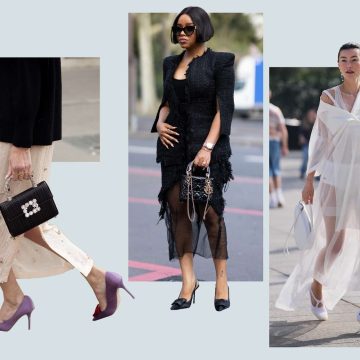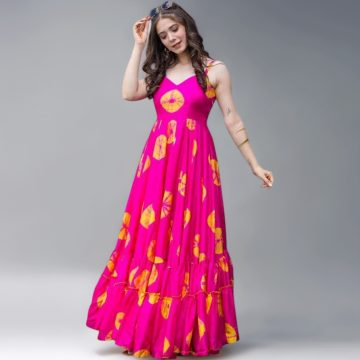


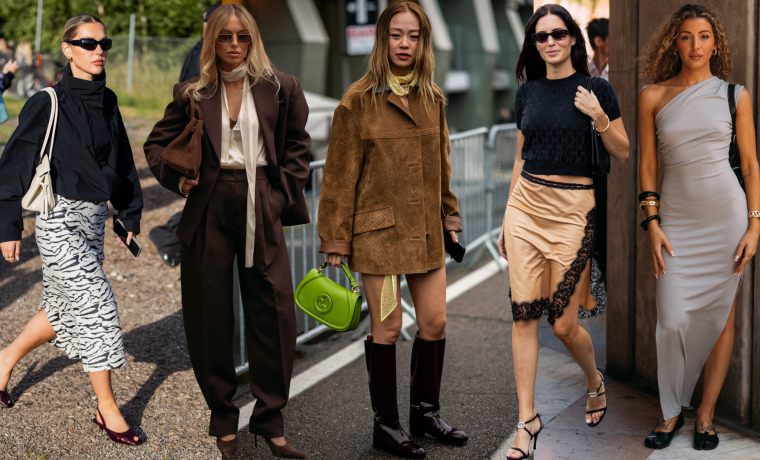
The end of summer often brings an instinct to overhaul your closet, packing away breezy cotton sundresses, silky slips, and vibrant midis to make room for heavy coats and wool trousers. That impulse, while understandable, underutilizes one of the most versatile categories in modern womenswear. A dress is not strictly a warm-weather garment; it is a complete, self-contained base layer waiting to be redefined by tactile contrast, architectural outerwear, and grounded accessories.
Transitioning your summer dresses into fall is less about hiding the dress under bulk and more about mastering proportions, balancing textures, and adjusting your color palette. With a few thoughtful styling adjustments, your favorite warm-weather pieces can anchor sophisticated, multi-layered autumn ensembles that feel intentional, polished, and weather-appropriate.
Master the Art of Intentional Layering
Layering over or under a dress requires a clear understanding of fabric weights and silhouette dynamics. When executed poorly, layering can bunch, restrict movement, or disrupt the natural drape of the dress. When done thoughtfully, it completely reframes the garment.
Layering Over: Sweaters and Knits
Transforming a dress into a pseudo-skirt is one of the quickest ways to extend its lifespan into cooler months. Pulling an oversized, chunky knit over a lightweight slip or pleated midi introduces an appealing friction between cozy wool and fluid silk or rayon.
To prevent an oversized sweater from overwhelming your frame, pay attention to the hemline. A classic crewneck or fisherman knit can easily drown a dress if it falls past the hips. Instead, reach for cropped sweaters that hit right at the natural waist, highlighting your proportions without competing with the volume of the skirt.
If you prefer wearing standard-length sweaters, use the belt-tuck technique. Fasten a slim, low-profile belt around your waist over the dress, pull your sweater on over it, and gently tuck the hem of the sweater upward under the belt. This allows you to blouse the knit to your preferred length, creating a tailored, high-end drape without messy tucks that distort the waistband of your garment.
Layering Under: Fitted Base Tops
While layering over a dress turns it into a skirt, layering underneath preserves the original silhouette while adding warmth. This approach works best with sleeveless midis, pinafores, slip dresses, and deep V-neck silhouettes.
A tissue-weight turtleneck or micro-ribbed long-sleeve tee is your most effective foundation piece. Choose ultra-fine materials like modal, merino wool, or lightweight bamboo so the base hugs the skin closely without creating visible bumps or friction beneath the dress. A fitted black, cream, or rich chocolate turtleneck worn under a floral slip dress instantly shifts the mood from playful summer romance to tailored nineties minimalism.
For a crisper, more structured aesthetic, layer a classic white cotton or poplin button-down shirt under a sleeveless shift or apron-style dress. Pop the collar, roll the cuffs once or twice, and let the hem of the dress define the overall line. This combination creates an effortless menswear-meets-feminine balance that transitions smoothly from a creative workspace to dinner.
Elevate Your Outerwear to Anchor Lighter Fabrics
Outerwear acts as the visual frame for any transitional outfit. Because summer dresses often feature airy materials like linen blends, silk, and cotton voile, pairing them with outerwear that has physical and visual weight provides an appealing counterbalance.
A tailored wool-blend blazer brings immediate structure to floaty hemlines. An oversized, menswear-inspired blazer in houndstooth, camel, or charcoal balances the fluidity of a tiered cotton dress, transforming something inherently casual into a sharp, street-style-ready outfit. Keep the blazer unbuttoned so the vertical lines of the lapels draw the eye downward, maintaining a lengthened appearance.
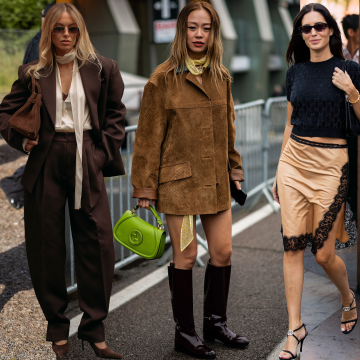
Leather and suede jackets introduce a necessary edge. A cropped black leather moto jacket toughens up pastel florals, while a rich cognac or caramel suede jacket brings warm, tactile richness to simple ivory or cream cotton dresses. The key here is silhouette tension: pairing delicate, feminine fabrics with rugged, structured skins creates an outfit that feels curated rather than accidental.
For longer midi and maxi dresses, consider the length of your coat. A tailored trench coat or a wool duster that falls an inch or two below the dress hem creates a clean, streamlined look that shields your legs from brisk autumn breezes. Avoid jackets that cut across the widest part of a full skirt, as this creates a disjointed horizontal break that cuts off your height.
Footwear Swaps That Instantly Change the Season
Nothing shifts an outfit from July to October faster than your choice of shoes. The moment you replace open-toed espadrilles and slide sandals with closed-toe, grounded footwear, your entire ensemble aligns with the season.
Tall leather boots are perhaps the most transformative option for midi dresses. When the hem of your dress falls gracefully over the shaft of a knee-high or equestrian-style boot, you eliminate the awkward sliver of bare leg that often makes an outfit look seasonally confused. A slouchy suede knee-high boot paired with a printed midi dress creates a bohemian, seventies-inspired look that feels undeniably autumnal.
If you are styling a shorter mini dress or a knee-length silhouette, chunky lug-sole boots, lace-up combat boots, or sleek chelsea boots provide a sturdy foundation. The substantial sole grounds the shorter hemline, keeping the look modern and practical for walking through unpredictable fall weather.
For milder days or office settings, swap sandals for structured leather loafers or pointed-toe flats. Pairing a chunky penny loafer with ribbed crew socks and a mid-length shirt dress introduces a collegiate, prep-school charm that captures the spirit of early fall while keeping your feet comfortable and warm.
Managing Warmth: Hosiery and Anti-Static Solutions
As the temperatures drop further, bare legs become impractical. Introducing hosiery into your transitional wardrobe requires careful consideration of opacity and fabric interactions.
Sheer black tights, particularly those within the 15 to 30 denier range, offer an elegant, subtly retro finish without the visual heaviness of solid black leggings. They pair naturally with slip dresses, structured mini dresses, and dark-ground floral prints. As autumn deepens, matte opaque tights in 80 denier or higher, or even ribbed tights in rich shades like burgundy, forest green, and espresso, add warmth while introducing another layer of texture.
A frequent challenge when layering knits and tights with lightweight summer dresses is static cling. Silk, rayon, and synthetic summer fabrics tend to stick stubbornly to tights or wool outerwear, ruining the drape of the garment. To counter this:
-
Invest in a traditional silk or anti-static slip to wear between your tights and your dress.
-
Apply an unscented, hydrating lotion to your legs before putting on tights to reduce the dry friction that generates static.
-
Lightly mist an anti-static spray, or run a classic metal hanger gently over the inside of the skirt hem, to neutralize electrical charge before walking out the door.
Adjusting Your Palette and Textural Accessories
You do not need to abandon bright colors or summer whites when September arrives, but anchoring them with rich, autumnal tones makes them feel grounded in the cooler season.
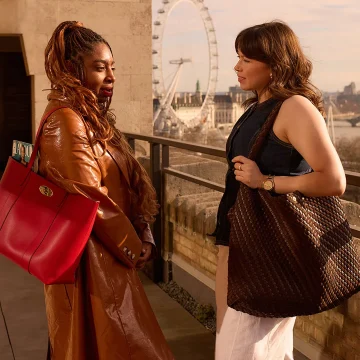
If you are wearing an ivory or white sundress, avoid bright, tropical accessories. Instead, frame the light fabric with deep earth tones: a rich chocolate leather belt, an olive field jacket, or a deep oxblood shoulder bag. This treatment honors the crispness of the light fabric while tying it into the mood of the season.
Fabric choice for accessories matters just as much as color. Swap woven raffia bags, canvas totes, and espadrille accents for heavier, richer textures:
-
Suede and pebbled leather: Replace straw totes with slouchy suede hobos or structured top-handle leather bags.
-
Warm metals: Trade delicate, shell-adorned summer jewelry for substantial gold chains, sculptural brass earrings, or classic hoop silhouettes.
-
Cashmere and wool: Drape a medium-weight blanket scarf or ribbed cashmere wrap around your shoulders instead of a light cotton cardigan.
Belts also play a crucial functional role during transitional styling. When you add multiple layers over a light dress, the silhouette can easily lose its definition. A wide leather belt cinched over a thick cardigan or an oversized blazer brings focus back to the waist, creating clean, flattering lines.
How to Style Four Core Summer Silhouettes for Fall
Different dress cuts require distinct transitional formulas. Here is how to adapt four staple summer styles for cooler days.
The Satin Slip Dress
The slip dress is the undisputed workhorse of the transitional wardrobe due to its fluid drape and minimal bulk. For early autumn, throw an oversized, heavyweight fisherman knit over the top, letting the glossy silk peek out like a delicate midi skirt. Finish with mid-calf leather boots. For later in the season, reverse the formula: wear a black tissue turtleneck underneath, cinch the waist with a thin belt, throw on a structured wool coat, and step into sleek knee-high boots.
The Tiered Floral Midi
Summer florals often feature airy tiers that feel intrinsically connected to warm weather. To transition this piece, balance the volume and the print. Add a black or dark brown cropped leather moto jacket to break up the pattern and temper the sweetness of the ruffles. Choose tall, structured leather boots that disappear beneath the skirt hem, and complete the outfit with a structured leather crossbody bag in a shade pulled from the print’s darker accents.
The White Poplin Shirt Dress
A crisp white poplin dress can read as purely nautical or coastal if styled casually, but it takes on a refined, professorial quality with the right fall layers. Pull a crewneck sweater in charcoal or camel over the torso, allowing the white collar, cuffs, and hem to show. Pair this combination with chocolate brown loafers, ribbed ankle socks, and tortoise-shell accessories for an effortless, polished weekday ensemble.
The Sleeveless A-Line Mini
Mini dresses can sometimes feel too exposed for cooler weather, but they serve as exceptional layering canvases. Treat the mini dress like an apron or pinafore: layer a fitted, long-sleeve ribbed top underneath, add sheer black tights, and step into chunky combat boots or knee-high riding boots. Top the look off with an unbuttoned, longline tailored coat that falls past the hem of the mini dress to create dynamic, overlapping lengths.
Transitioning your summer dresses into fall is ultimately an exercise in reimagining the pieces you already love through the lens of contrast. By juxtaposing lightweight summer fabrics with the heavy textures, rich colors, and structured lines of the autumn wardrobe, you build outfits that feel multifaceted, expressive, and ready for whatever the changing weather brings.