
Stepping into natural sunlight only to realize an ostensibly opaque white dress is completely translucent is a universal sartorial rite of passage. Breezy linen trousers, gossamer cotton voile blouses, silk georgette slips, and ivory poplin shirts are staples of warm-weather dressing, yet they present a persistent styling challenge. The lighter the textile and the looser the weave, the more transparent the garment behaves when hit by direct light.
Mastering what to wear beneath pale or diaphanous clothing is less about hiding your body and more about controlling contrast, shadow, and texture. When your base layers are chosen with precision, your outfit looks intentional, polished, and effortless. Achieving that seamless look requires unlearning common wardrobe myths, understanding the mechanics of fabric, and investing in foundation garments engineered specifically for low-opacity dressing.
The White-on-White Myth and the Rule of Skin Tones
The most common mistake people make when wearing white or pastel clothing is reaching for white undergarments. A stark white bra worn beneath a crisp white cotton shirt does not disappear. Instead, it creates a vivid, chalky outline that draws immediate attention to the chest.
This happens because of contrast. White fabric placed against your natural skin creates a sharp demarcation line along the edges of the straps, cups, and waistband. When sunlight or artificial light passes through the semi-sheer outer shirt, it illuminates that stark edge against your skin tone.
The universal rule for making undergarments vanish beneath light-colored clothing is simple: match your undergarment to your skin tone, not to your shirt.
True nude is not a singular beige shade; it is whatever tone closely mirrors the depth and undertone of your own complexion.
-
Fair skin tones with pink undertones often find that pale blush, dusty rose, or soft taupe disappears far better than yellow-toned beige.
-
Olive and medium complexions disappear best under shades of bronze, biscuit, warm camel, or caramel.
-
Rich, deep complexions require espresso, chocolate, mahogany, or chestnut tones. When high-contrast beige is worn under sheer white on dark skin, it flashes just as brightly as stark white does.
An unexpected secret of professional wardrobe stylists is the use of muted reds and heather grays. A true cherry red, berry, or brick undertone frequently disappears beneath white t-shirts across a wide spectrum of skin tones. The red absorbs the light wavelengths in a way that mimics the blood flow beneath human skin, neutralizing the contrast boundary that a white or pastel undergarment would create.
Structural Essentials: Banishing Lines, Ridges, and Bulk
Color is only half the battle. You can match your skin tone down to the exact hex code, but if the garment beneath your clothes features raised seams, intricate embroidery, or thick elastic bands, those physical textures will telegraph directly through the fabric.
Laser-Cut Edges and Bonded Seams
Traditional underwear relies on folded fabric encasing a band of elastic, finished with zigzag stitching. This creates a raised border that digs slightly into the flesh, creating a ridge and a shadow that is immediately visible under fine silks, modal, or lightweight linen.
To eliminate visible panty lines (VPL), switch to raw-cut, laser-cut, or bonded-edge underwear. These pieces are constructed from ultra-thin microfiber or nylon-spandex blends that lie entirely flush against the skin without digging. Because there is no hem to interrupt the drape of your trousers or skirt, the fabric flows across the hips without disruption.
Smooth Molded Cups vs. Lace and Embellishment
Lace, bows, picot trim, and contrast topstitching have no place beneath whisper-thin knits or sheer button-ups, unless showing that texture is your explicit goal.
A seamless, molded T-shirt bra with a microfiber overlay is the most dependable choice for smooth coverage. Look for styles with heat-bonded edges along the neckline and underarm bands rather than sewn piping. If you prefer unlined bras, choose smooth, double-layer molded mesh or spacer fabric, which provides opacity and shaping without adding bulky seams across the apex of the bust.
Selecting Foundation Pieces by Garment Type
Different silhouettes introduce distinct challenges. A structured linen trouser requires a different underpinning strategy than a bias-cut slip dress or a sheer organza blouse.
Light Trousers, Chinos, and White Denim
White pants are notorious for revealing internal construction details. Often, the issue is not just the underwear, but the pockets of the trousers themselves. Heavy white cotton pocket bags frequently show through the front of trousers as stark rectangular blocks.
When wearing white jeans or tailored trousers, pair them with high-waisted seamless thongs or raw-edge laser-cut boyshorts. Boyshorts or mid-thigh slip shorts work particularly well because their lower hem rests around the thigh rather than across the crest of the glute, completely removing any demarcation line across your rear. Ensure the waistband sits at the exact rise of your pants; a low-rise thong worn with high-waisted linen pants can create a visible mid-hip pinch that shows through the breezy fabric.
Sheer Blouses, Voile Shirts, and Gauzy Knits
Tops made of ramie, silk habotai, or lightweight linen leave little to the imagination. The appropriate foundation depends entirely on your desired level of modesty.
For an invisible finish, a seamless plunge bra in your skin tone provides support while disappearing beneath the collarbones. If the blouse is cut deeply or features an open weave where a bra band would look awkward, consider reusable silicone nipple covers. High-grade matte silicone covers taper to micro-thin edges that blend into the skin, preventing any circular outline from showing through thin fabric while eliminating nipple show-through entirely.
When you desire full torso coverage, skip heavy tank tops and choose a micro-mesh or raw-cut nylon camisole. Look for designs with flat satin straps and raw-edge hems that tuck smoothly into your waistband without creating a roll of bunched fabric around your middle.
Breezy Sun Dresses and Unlined Skirts
Summer dresses often omit linings to keep production costs down or preserve the lightness of the fabric. In direct sunlight, however, an unlined cotton eyelet or rayon skirt turns completely see-through between the knees and hips.
The classic slip remains the single most effective tool for unlined dresses. Modern slips bear little resemblance to the rigid, static-prone polyester garments of decades past:
-
The Half-Slip: Worn from the natural waist down to just above the knee, a smooth microfiber half-slip acts as a moving shadow shield, preventing sunlight from outlining your legs.
-
Slip Shorts: These look like lightweight bike shorts made of whisper-thin, anti-chafing hosiery or microfiber fabric. They offer complete modesty on windy days, protect against inner-thigh friction, and smooth out panty lines in a single garment.
-
The Full Slip: Essential for wrap dresses or sheer shirt-dresses, a bias-cut silk or microfiber full slip provides a uniform foundation from shoulder to hem, ensuring the dress drapes smoothly without clinging to the skin.
When Sheer Is the Statement: The Art of Intentional Layering
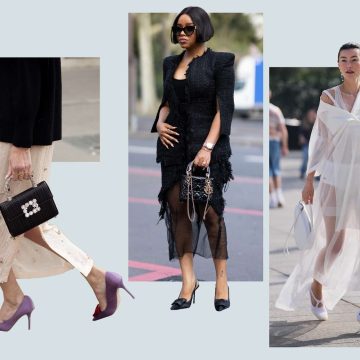
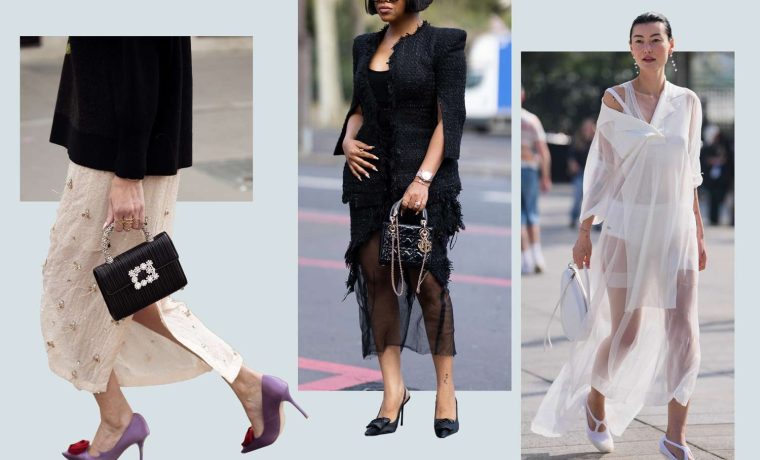
There is a distinct difference between accidentally flashing an ill-chosen bra and intentionally styling a sheer garment as a deliberate fashion choice. When an organza trench, a tulle dress, or a sheer open-knit sweater is meant to be transparent, trying to hide your underpinnings with beige basics often looks drab and apologetic.
In these instances, treat your base layers as part of the overall design:
-
The Architectural Bralette: A structured, opaque black or monochromatic bralette featuring wide geometric straps, clean horizontal lines, or high-neck cuts turns sheer mesh or organza into an editorial look.
-
High-Waisted Retro Briefs: Worn beneath a sheer lace midi skirt or a transparent crocheted dress, a substantial, opaque high-waisted brief provides chic coverage that recalls vintage resort wear.
-
The Sleek Bodysuit: A solid, form-fitting bodysuit worn under an entirely sheer shirt dress unifies the silhouette, keeping the eye focused on the drape of the outer textile while maintaining modest, streamlined coverage.
The key to intentional layering is opacity and structure. If an underpinning is going to be seen, it must look designed for public view, featuring clean seams, rich colors, and substantial fabrics like dense ribbed knits, matte spandex, or satin.
Fabric Composition and the Threat of Static
Choosing the right cut and color will not save an outfit if the fabrics cling to each other aggressively. When synthetic slips or undergarments rub against unlined synthetic dresses, static electricity pulls the outer garment against the contours of the legs, completely destroying the garment’s natural movement.
Prioritize natural silk, breathable modal, or microfibers treated with permanent anti-static finishes. If your dress is lightweight silk, choose a silk slip; the natural fibers glide across each other effortlessly without generating static cling. If static does strike while getting dressed, lightly misting the inside of the outer garment with water or running a metal hanger down the inside of the dress will instantly discharge the static charge.
The Daylight and Flash Inspection
Indoor bedroom mirrors are notoriously deceptive. The soft, directional glow of an indoor lamp or a bathroom vanity does not replicate the intense lumens of midday sunlight, nor does it mimic the penetrating light of an evening camera flash.
Before heading out the door in any light-colored or translucent outfit, conduct a thorough light check:
-
The Backlight Test: Stand in front of a bright, sunlit window with a handheld mirror. Look at your reflection to see if the light coming from behind silhouettes your legs or shows the boundary of your underwear waistband.
-
The Camera Flash Test: Turn off the overhead lights in your room, stand a few paces away from a mirror, and take a photograph of your outfit using your smartphone with the flash forced on. Strong flashes easily pierce translucent fabrics, revealing dark undergarments, reflective cup padding, or thick pocket linings that looked completely invisible under standard ambient lighting.
A well-curated collection of skin-toned, raw-edge foundations eliminates the stress of wearing light-colored clothes. By paying careful attention to color contrast, seamless construction, and the behavior of light against fabric, you can wear sheer and pale clothing with absolute poise and ease.