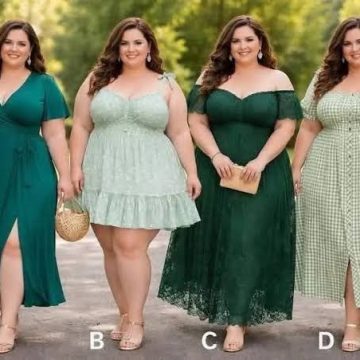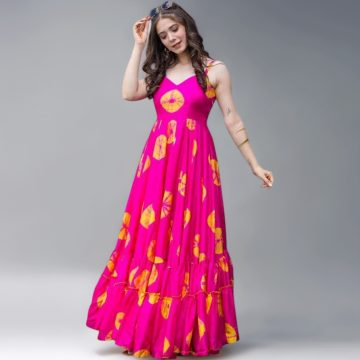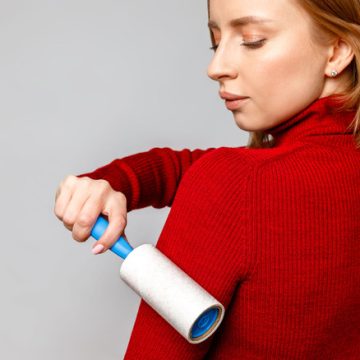




Clothing plays a central role in daily life, culture, and the global economy. From the fibers woven into a shirt to the logistics that move garments around the planet, a clothes item reflects design choices, technological advances, and social priorities. In this article we explore material science, manufacturing practices, consumer decision-making, and systemic approaches that together shape modern clothing. The word Clothing appears early because understanding its layers—literal and conceptual—lets you make better choices as a buyer, designer, or industry professional.
Why materials matter: fiber fundamentals and performance
Textile performance starts with the fiber. Different fibers deliver distinct combinations of comfort, durability, moisture handling, and environmental cost.
Natural fibers
- Cotton: breathable, soft, and versatile. High-quality cotton with longer staple length resists pilling and lasts longer. Processing and irrigation practices drive most of cotton’s environmental footprint.
- Wool: excellent thermal regulation and resilience. Wool fibers have natural crimp that helps retain warmth and bounce back from compression. Merino wool delivers a finer handle and less itch than coarser wools.
- Silk: high luster and drape. Silk’s protein structure yields exceptional sheen and a soft hand, but silk garments require careful laundering.
Regenerated and cellulosic fibers
- Viscose, modal, lyocell: derived from wood pulp, these fibers can mimic the drape of silk or the absorbency of cotton. Production methods vary in environmental impact; closed-loop processes reduce chemical release and solvent waste.
Synthetic fibers
- Polyester and nylon: high strength, excellent abrasion resistance, and low cost. Synthetic fibers are hydrophobic unless modified, often trapping odors and requiring engineering for moisture management.
- Elastane: small percentages provide stretch and shape retention.
Technical and blended fabrics
Combining fibers enables hybrid performance: polyester-cotton blends improve wrinkle resistance while keeping breathability. Engineered textiles add finishes or microstructures for hydrophobicity, antimicrobial properties, or UV protection.
Designing for fit, function, and lifespan
A garment’s lifecycle begins at design. Thoughtful patternmaking and engineering improve fit and extend use.
Fit and grading
- Proper fit reduces stress points and prolongs garment life. Designers use grading systems to scale patterns across sizes without altering silhouette integrity.
- Bias cut and 3D draping techniques accommodate complex body shapes but often require greater pattern complexity and skilled construction.
Construction details that increase longevity
- Reinforced seams at high-stress points, bar tacks on pocket corners, and higher stitch-per-inch counts improve durability.
- Sewing thread quality and seam finishes such as French seams or bound seams prevent fraying and failure.
- Hardware choices: robust zippers and rivets matter. Metal zippers often outlast plastic ones when subjected to heavy use.
Production systems: from mills to market
Understanding the flow from raw materials to retail clarifies where costs and environmental impact concentrate.
Vertical versus horizontal integration
- Vertical integration keeps spinning, weaving, dyeing, cutting, and sewing under one corporate umbrella, increasing control and shortening lead times.
- Horizontal specialization allows factories to focus on a narrow set of capabilities, often achieving scale efficiencies but increasing logistical complexity.
Dyeing and finishing
- Dye choices and finishing treatments significantly affect water, energy, and chemical footprints. Digital printing and low-liquor ratio dyeing reduce water use. Finishes that improve stain resistance or reduce wrinkling can extend a garment’s useful life if they do not degrade over time.
Quality assurance and testing
- Tensile strength, colorfastness, abrasion resistance, and seam slippage are measured according to standardized tests. Brands that invest in rigorous lab testing typically see fewer returns and longer customer satisfaction.
Sustainability: beyond buzzwords to measurable practice
“Sustainable clothing” must be anchored in concrete practices across sourcing, production, and end-of-life.
Source selection and traceability
- Prioritizing fibers with lower environmental footprints, such as recycled polyester or certified organic cotton, reduces upstream impacts.
- Traceability systems—from farm to finished good—help verify claims and identify weak links. Blockchain and digital product passports are emerging tools for transparency.
Waste reduction strategies
- Cutting optimization reduces fabric waste in pattern layout. Zero-waste patternmaking aims to use fabric with minimal offcuts.
- Pre-consumer recycling captures factory offcuts; post-consumer textile recycling remains technologically challenging but is improving, with chemical recycling methods breaking down polymers into reusable monomers.
Circularity and business models
- Repair, resale, rental, and take-back programs extend garment lifetimes and keep textiles in use longer.
- Product-as-a-service models shift incentives toward durability and reparability, aligning brand profits with lower material throughput.
Care, maintenance, and consumer behavior
How consumers treat garments often determines real-world longevity more than any manufacturing choice.
Best practices to lengthen garment life
- Wash less frequently, use cold water, and choose gentle cycles to reduce mechanical and chemical stresses.
- Air dry where possible to avoid heat-induced fiber weakening.
- Learn simple repairs: replacing buttons, fixing hems, and patching small holes can add months or years of wear.
Sizing honesty and returns
- Excessive returns driven by confusing sizing increase carbon footprints. Accurate size guides, 3D fit previews, and clear fabric stretch information reduce unnecessary shipping and exchanges.
Innovation: smart textiles and future materials
Technical textiles are transforming clothing from passive coverings to functional systems.
Embedded functionality
- Thermoregulatory fabrics adapt to temperature changes.
- Conductive threads enable on-body sensors for health or performance monitoring. Integrating electronics raises questions about laundering, recyclability, and privacy.
Biobased and low-impact polymers
- New polymers derived from agricultural waste and algae are being developed to replace petroleum-based synthetics. Their scalability and lifecycle impacts must be assessed before broad adoption.
Measuring quality: indicators buyers should use
When evaluating garments, these signals separate transient fast-fashion items from lasting pieces.
- Fiber composition and yarn count: finer yarns and higher thread counts often correlate with better hand and longer life but must be balanced with strength.
- Stitching density: more stitches per inch typically equals stronger seams.
- Seam finishing and internal construction visible when inspecting inside the garment.
- Brand transparency: published factory lists, audit summaries, and materials disclosures indicate higher supply-chain accountability.
Economics and policy: realistic levers for systemic change
Shifting the industry requires economic incentives and practical regulation.
Incentive structures
- Subsidies for low-impact fibers and penalties for pollution encourage investment in cleaner processes.
- Extended Producer Responsibility policies require brands to manage end-of-life materials, motivating better design and take-back programs.
Standards and certification
- Certifications for organic, fair-trade, and low-chemical processing are useful but vary in rigor. Independent audits and standardized labeling increase consumer trust.
Practical guidance for shoppers and professionals
Actionable behaviors that reduce waste and increase value:
- Choose garments with clear construction details and repair-friendly designs.
- Prioritize materials and finishes aligned with intended use; pick waterproof membranes for outdoor gear and breathable cellulose-based fabrics for hot climates.
- Keep a basics capsule of high-quality items to reduce frequency of low-value purchases.
Repair, upcycling, and small-scale manufacturing
Repair culture and local production reduce environmental burden and preserve craft skills.
Community repair models
- Community repair events, local tailors, and online repair tutorials make mending accessible.
- Upcycling workshops turn out-of-fashion or damaged pieces into new products, retaining value while minimizing waste.
Small-batch production benefits
- Short runs permit experimentation, reduce overproduction, and support local economies. They often yield higher craftsmanship and better quality control.
Market-facing strategies for brands
Brands that want to be future-ready should adopt measurable improvements:
- Design for disassembly: use separable components and mono-materials where possible to facilitate recycling.
- Performance-based warranties: offering guaranteed repair windows creates trust and reduces churn.
- Transparent metrics: publish material sources, water and energy usage per garment, and documented improvements year over year.
Communication without greenwashing
- Avoid ambiguous claims; provide evidence such as third-party certifications, audit results, and verifiable lifecycle assessments.
Measuring impact: useful metrics and KPIs
Brands and policymakers should track concrete indicators:
- Material intensity per garment: kilograms of raw materials per unit produced.
- Water and energy per kilogram: for dyeing and finishing stages.
- Return and repair rates: customer behaviors signal product quality and fit.
- Percentage of products with end-of-life solutions: take-back or recycling pathways.
Summary of actionable technical steps for extending garment life
- Use reinforced seams and higher stitch density in high-stress areas.
- Specify yarn twist and fiber blends that balance comfort and strength.
- Implement dyehouse best practices: low-liquor ratios, digital printing, and closed-loop solvent recovery.
- Adopt digital tools for fit accuracy to reduce returns.
Quick checklist for buyers
- Inspect seam finishes and fabric hand.
- Favor natural or recycled fibers for casual wear where biodegradability helps end-of-life.
- Learn basic repairs and locate local tailors.
- Support brands with transparent supply chains and real take-back programs.
FAQ
What maintenance steps lengthen the life of activewear?
Activewear benefits from cold-water washing, avoiding fabric softeners that degrade technical finishes, air drying, and rotating pieces to reduce cumulative wear.
Are blended fabrics always worse for recycling?
Not always. Mono-material garments simplify mechanical recycling, but some blends can be separated using evolving chemical recycling techniques. The viability depends on scale and local recycling infrastructure.
How can a small brand implement circular practices affordably?
Start with pilot take-back programs, offer repair services, and use limited edition or made-to-order models to avoid overproduction. Partner with local repair shops and use digital platforms to coordinate returns.
What certifications are evidence-backed for lower chemical impacts that were not covered earlier?
Look for independent testing standards that measure specific chemical classes and emissions rather than generic labels. Organizations that audit wastewater, solvent handling, and worker safety provide the most meaningful verification.
Can smart textiles be recycled?
Smart textiles that contain electronics present recycling challenges. Separating electronic components from fabrics in design makes recycling feasible. New modular approaches allow detaching sensors before textile recycling.
This article aims to provide a deep, practical understanding of how materials, design, production, and consumer behavior combine to determine the longevity and impact of clothing. Use the technical checklists and consumer guidance above to make choices that favor durability, transparency, and reduced environmental footprint.