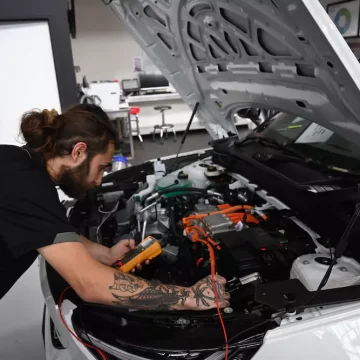


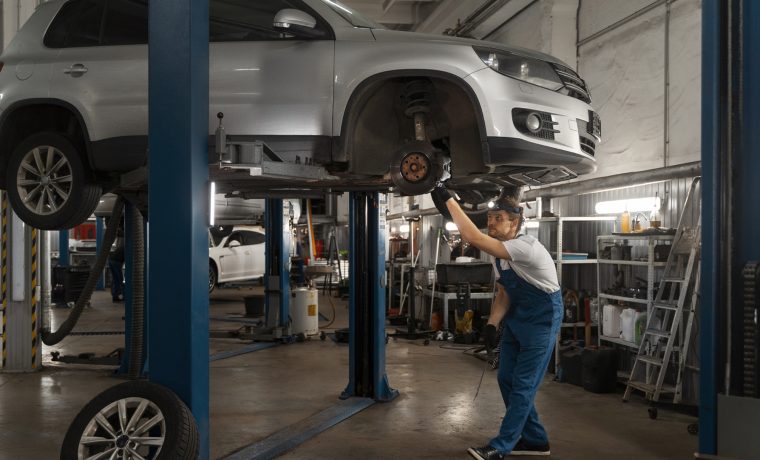
In the automotive repair world, quality and safety are not optional goals but essential responsibilities. Customers entrust their vehicles—and their lives—to repair facilities. To maintain that trust and protect both consumers and employees, repair shops adopt rigorous systems, procedures, and oversight. Below is an in-depth look at how modern auto repair shops ensure they operate up to the highest standards.
What “Quality” and “Safety” Mean in Auto Repair
Before diving into processes, it helps to clarify what we mean:
- Quality refers to the technical correctness, durability, and workmanship of the repair—i.e. the repair job should restore or maintain the vehicle’s intended performance without defects or early failures.
- Safety covers both the safety of the vehicle (so it does not pose hazards on the road) and the safety of the workshop environment (so technicians, staff, and visitors are protected from harm).
These two dimensions overlap: a poorly executed repair might pass inspection but could degrade over time and introduce safety risks.
Key Pillars of Quality Assurance in Auto Repair
1. Certified Technicians and Ongoing Training
A repair shop’s quality begins with its people. Many shops require or prefer technicians certified by recognized bodies (e.g. ASE in the U.S.). These credentials ensure that a technician has demonstrated baseline expertise.
Beyond that, ongoing training is essential. With rapid advances in vehicle electronics, hybrid systems, ADAS (advanced driver assistance), and EV components, technicians must regularly upskill. Many shops maintain a training calendar and track certifications or manufacturer-specific programs.
2. Standard Operating Procedures (SOPs) & Checklists
Quality consistency comes from repeatable processes. Shops formalize SOPs for every major repair or maintenance task—oil changes, brake replacement, engine diagnostics, transmission work, etc. These SOPs often include:
- Step-by-step sequences
- Tool and torque specifications
- Safety actions (e.g. using jack stands, disconnecting battery)
- Calibration or programming instructions, if needed
Checklists play a critical role: before vehicle hand-off, a technician or inspector runs through a quality checklist to ensure no steps or parts are overlooked. Many shops adopt a pre-delivery inspection (PDI) checklist that includes fluid level checks, fastener security, test-driving, and visual scans.
3. Use of OEM or Proven Parts & Materials
One of the frequent causes of repair failure is using substandard parts, fluids, or materials. Shops that prioritize quality often use OEM (Original Equipment Manufacturer) parts or high-grade aftermarket alternatives with proven reliability.
Part of quality assurance also involves tracking parts batches, verifying authenticity, and rejecting counterfeits. Moreover, consumables—lubricants, filters, gaskets, adhesives—are sourced from trusted suppliers, and specifications (viscosity, tolerances) are verified.
4. Calibration, Programming & Diagnostic Revalidation
Modern vehicles have numerous control modules, sensors, and communication networks. After many repairs—especially to systems like braking, steering, traction control, or ADAS—the vehicle must be recalibrated or programmed to integrate new components.
Quality-conscious shops include post-repair diagnostic scans and validations to ensure no fault codes remain, and that systems operate as intended. This step is as important as the physical repair itself.
5. Quality Control & Double-Checks
A robust repair shop has an internal quality control process—often managed by a dedicated QC technician or supervisor. This includes:
- Random audits of repair orders
- Rechecking critical repair steps
- Spot re-inspections after a test drive
- Documenting and correcting any deviations
Implementing quality control reduces callbacks and reinforces accountability.
6. Documentation and Traceability
Every repair should be documented in detail: parts used, technician, date/time, tolerance checks, measurements, test results. If issues arise later, documentation allows root-cause tracing.
Maintaining a history also helps in trend analysis—if a particular part or process fails often, management can identify systemic issues and take corrective action.
Ensuring Safety: Shop Safety Systems & Environment
A repair shop can only reliably produce quality work if its internal environment is safe and controlled. Below are practices and systems used to ensure safety.
1. Hazard Identification & Risk Assessment
Every shop should maintain a safety program that identifies:
- Chemical hazards (solvents, paints, degreasers)
- Physical hazards (lifts, heavy parts, moving machinery)
- Fires and flammable materials
- Electrical hazards
- Ergonomics (lifting, repetitive motion)
Periodic risk assessments help the shop update controls and procedures when new hazards emerge.
2. Personal Protective Equipment (PPE) & Training
Technicians should be trained in and mandated to use appropriate PPE:
- Eye protection (safety glasses or goggles)
- Gloves resistant to chemicals or cuts
- Hearing protection in loud environments
- Respirators or masks when spraying or working with chemical fumes
- Steel-toe boots and protective clothing
Training must cover correct usage, maintenance, and replacement schedules for PPE.
3. Regular Equipment Maintenance & Inspections
Lifts, hoists, jacks, compressed air systems, power tools, ventilation systems—all must undergo regular preventive maintenance.
Safety inspections (weekly or monthly) catch early wear, leaks, electrical faults, or misalignment. A malfunctioning lift or hydraulic system can result in serious injury or vehicle damage if unchecked.
4. Ventilation & Air Quality Controls
Shops generate dust, paint fumes, solvent vapors, exhaust gases. To protect workers, they must:
- Use proper exhaust ventilation in painting booths
- Maintain clean air flow in bays
- Monitor ambient air quality
- Use capture systems for welding fumes and sanding
Advanced shops even use IoT-based air quality systems to alert when pollutant levels become unsafe.
5. Fire Safety & Spill Control
Repair shops handle flammable liquids and materials. Safety systems include:
- Fire suppression systems (sprinklers, foam)
- Fire extinguishers rated for oil/chemical fires
- Proper storage of flammable materials in approved cabinets
- Secondary containment for spills
- Spill kits and absorbents readily available
- Staff training in fire response
6. Ergonomic & Safe Workflow Design
Shop layouts should minimize unnecessary physical strain. For example:
- Avoid reaching above overhead when possible
- Use lift tables or mechanical aids for heavy parts
- Plan for ample workspace around vehicles
- Route cables and hoses overhead to reduce trip hazards
- Smart tool placement to reduce awkward postures
7. Safety Culture & Empowerment
A shop committed to safety empowers every employee to stop work if unsafe conditions are noticed. A culture of open reporting—without blame—encourages the identification of hazards before accidents occur. Regular safety meetings, postings of safety protocols, and incentive programs reinforce this culture.
Quality & Safety in Modern Technology Context
As vehicle systems evolve, maintaining standards becomes more complex.
Right to Repair & Access to Information
Independent repair shops must often rely on access to OEM diagnostic information, firmware, wiring diagrams, and proprietary tools. Ensuring fair access helps these shops maintain quality on modern vehicles. Recent federal efforts are pushing for stronger right-to-repair protections to foster competition and raise repair standards.
Data Connectivity & Telematics
Vehicles now transmit health and diagnostic data. Repair shops that integrate with telematics or data services can proactively monitor vehicle systems and detect failures early—improving quality outcomes for customers.
AI, Automation & 5S Audits
Some auto shops are adopting intelligent audit systems (e.g. AI-enabled 5S audits) to continuously evaluate workspace organization, cleanliness, and process adherence. These systems help maintain discipline in quality and safety across every station.
Challenges & How Shops Overcome Them
- Cost pressures: High-quality parts, equipment, and training have real costs. Many shops cross-subsidize or charge premium services to maintain margins.
- Rapid vehicle change: EVs, ADAS, and complex systems demand steep investments. The shops that keep up tend to specialize or scale to absorb fixed costs.
- Human error: Even well-designed processes can break down. Constant reinforcement, audits, and retraining help reduce slip-ups.
- Regulatory complexity: Compliance at federal, state, and local levels (waste disposal, emissions, worker safety) adds administrative burdens. Many hire compliance specialists or partner with service providers.
Real-Life Examples of Quality & Safety in Action
- A shop that discovered an unstable lift during a monthly inspection halted operations immediately, preventing what could have been a catastrophic vehicle drop.
- After adopting a digital checklist and audit system, several shops reported a reduction in repair callbacks by 30 %, improving reputation and reducing cost.
- In a safety intervention study, shops improved respiratory protection compliance by 37 % over one year after targeted training and oversight.
Frequently Asked Questions
Q: How can a customer evaluate the quality and safety standards of a repair shop?
A: Ask whether the shop uses certified technicians, request to see inspection checklists, inquire about parts sourcing, check their safety protocols (e.g. PPE, lift maintenance), and look at reviews or certifications they publicly display.
Q: What standards exist at the national level in the U.S.?
A: Standards such as OSHA regulations, EPA rules (waste disposal, air emissions), and ASTM or SAE guidelines often apply. Some states also enforce particular shop licensing or safety codes.
Q: When should a shop recalibrate ADAS systems?
A: After sensor replacement, windshield changes, alignment adjustments, or any work that could shift reference frames (e.g. steering or suspension). Proper calibration ensures safety systems like lane keep or collision warning work correctly.
Q: Are aftermarket parts always inferior?
A: Not always. But lower-tier parts sometimes fail prematurely or have tolerance issues. Quality shops vet suppliers and often stick with trusted aftermarket brands or OEM equivalents.
Q: How often should safety inspections occur?
A: At minimum weekly or monthly, but many shops schedule mini-daily walkthroughs and deeper weekly or monthly audits.
Q: What happens when a shop discovers a “hidden” unsafe issue outside the original repair scope?
A: Ethically and legally, many shops have a duty to inform the customer and seek permission to address the safety issue. This aligns with the standard of care in automotive repair.